
Do Bed Bugs Bite? Understanding Dust Mite Bites vs Bed Bug Bites
You might wonder if those itchy, red marks are from bed bugs or dust mites. Bed bugs do bite, often creating distinct, linear welts on exposed skin bed bugs malaysia, while dust mite bites cause less defined irritation. Knowing how to distinguish between these bites is vital for effective treatment and prevention. Understanding the subtle differences can help you identify the source and take appropriate action before the problem worsens.
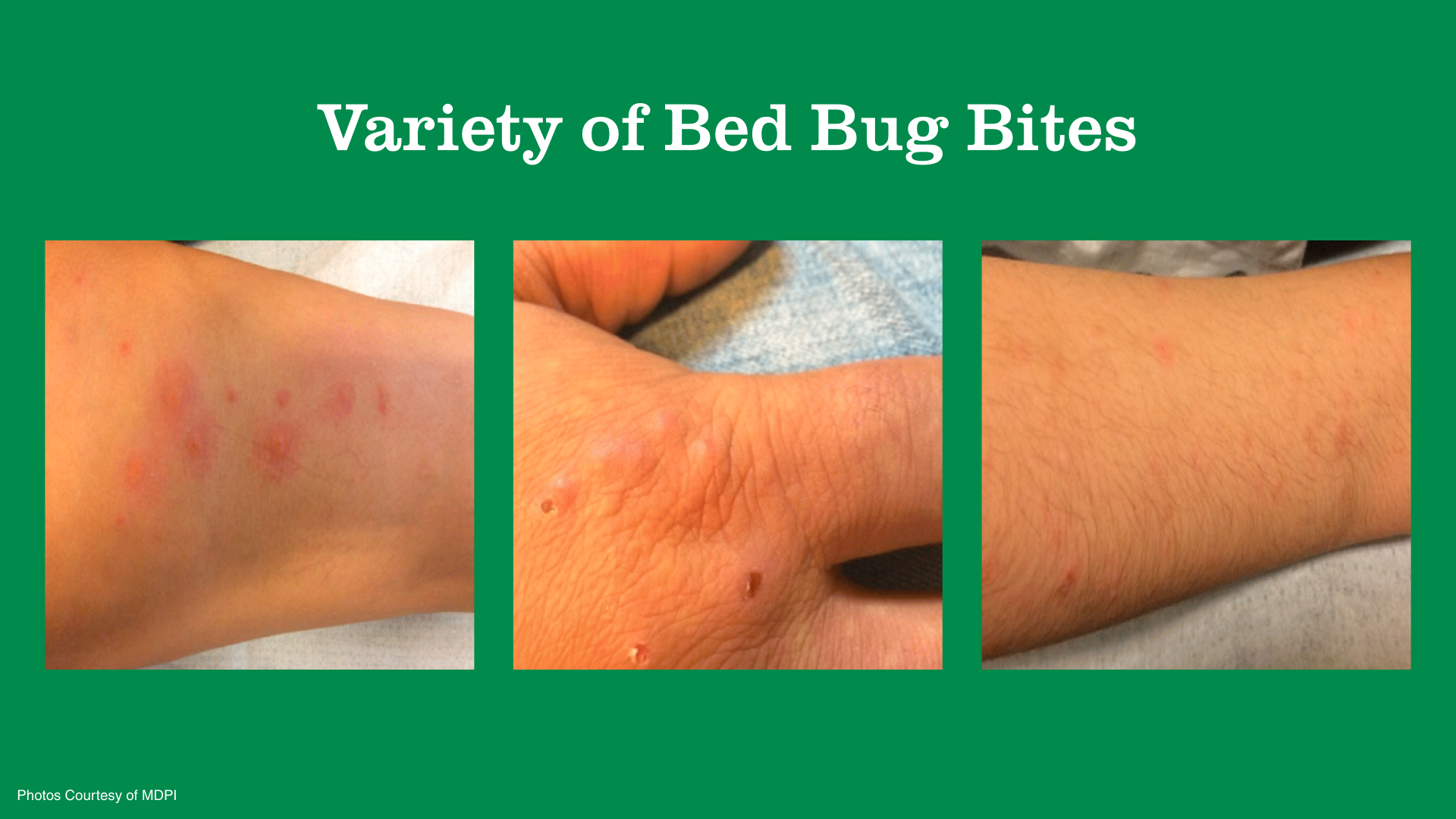
How to Spot Bed Bug Bites vs Dust Mite Bites
Although bed bug bites and dust mite bites can appear similar, you can distinguish them by their specific patterns, locations, and symptoms.
Bed bug bites typically form a linear or clustered pattern, often appearing on exposed skin areas such as arms, shoulders, and neck. They present as raised https://igreenasia.com/, red welts with a central puncture point.
Dust mite bites, however, are less common and usually cause generalized itching without a distinct pattern. They often affect areas covered by clothing.
Additionally, dust mite bites rarely produce welts but may cause minor redness and irritation.
What Causes Bed Bug and Dust Mite Bites to Itch and Redden
When bed bugs or dust mites bite, their saliva triggers your body’s immune response, causing itching and redness. This reaction results from your immune system detecting foreign proteins and releasing histamines.
This process involves several steps:
- Saliva contains anticoagulants and proteins that provoke immune cells.
- Your immune system identifies these proteins as threats, activating histamine release.
- Histamines dilate blood vessels, causing redness and swelling at the bite site.
- Nerve endings react to histamine, generating the sensation of itchiness.
Understanding this process helps you manage symptoms effectively.
Where Bed Bug Bites and Dust Mite Bites Usually Appear on Your Body
Because bed bugs and dust mites target exposed skin during rest or sleep, their bites commonly appear on areas such as the face, neck, arms, and hands.
Bed bug bites tend to cluster along these regions, especially where skin is thinner or clothing is minimal, such as the wrists and shoulders.
Dust mite bites, however, are less frequent and often localized to areas in direct contact with infested bedding, like the forearms and lower legs.
You might notice bed bug bites forming linear patterns due to their feeding behavior, whereas dust mite bites usually present more randomly.
Understanding these bite locations helps you identify infestations early and take control of your environment, preserving your freedom from ongoing skin irritation and discomfort.

How to Treat and Soothe Bed Bug and Dust Mite Bite Reactions
Properly treating and soothing bed bug and dust mite bite reactions requires prompt attention to reduce itching, inflammation, and potential infection. You should:
- Clean the affected area with mild soap and water to remove irritants and bacteria.
- Apply a topical corticosteroid cream to minimize inflammation and itching.
- Use oral antihistamines to alleviate allergic reactions and reduce discomfort.
- Avoid scratching to prevent secondary infections and skin damage.
These steps guarantee effective symptom management while preserving skin integrity.
If symptoms worsen or signs of infection appear—such as increased redness, warmth, or pus—consult a healthcare professional immediately.
Simple Steps to Prevent Bed Bug and Dust Mite Infestations at Home
Although bed bugs and dust mites are small, their presence can quickly escalate into significant infestations that compromise your home’s hygiene and comfort. To prevent these, regularly inspect bedding, furniture, and carpets for signs of infestation.
Encase mattresses and pillows in allergen-proof covers to create physical barriers. Maintain low indoor humidity below 50% using dehumidifiers, as dust mites thrive in moist environments.
Wash bedding and fabrics in hot water (at least 130°F) weekly to eliminate mites and bed bugs.
Declutter living spaces to reduce hiding spots and vacuum frequently using a vacuum with a HEPA filter to capture microscopic particles.
When traveling, inspect hotel rooms and avoid placing luggage on beds or floors.
Conclusion
You can distinguish bed bug bites from dust mite bites by noting their appearance and location. Bed bug bites usually form linear or clustered red welts on exposed skin areas like your arms and neck, while dust mite bites cause generalized itching without distinct patterns, often under clothing. Understanding these differences helps you accurately identify the cause of your skin reaction. Prompt treatment and preventive measures are essential to manage and avoid infestations effectively.

Smart Tech For Your Home
The Best Online Dating Site For Sugar Dating
Making Sense of Halal Assurance When You Search for a Meal Nearby
About Author
