
Why Lizards Keep Coming Back (And How to Stop Them for Good)
You might wonder why lizards keep returning to your home despite your efforts to keep them away. These reptiles seek out environments that offer warmth, humidity lizard repellent spray, abundant insects, and safe hiding spots—conditions often found in gardens and around houses. Understanding the specific attractants and how they exploit entry points is crucial. By addressing these factors systematically, you can effectively reduce their presence and prevent future visits.
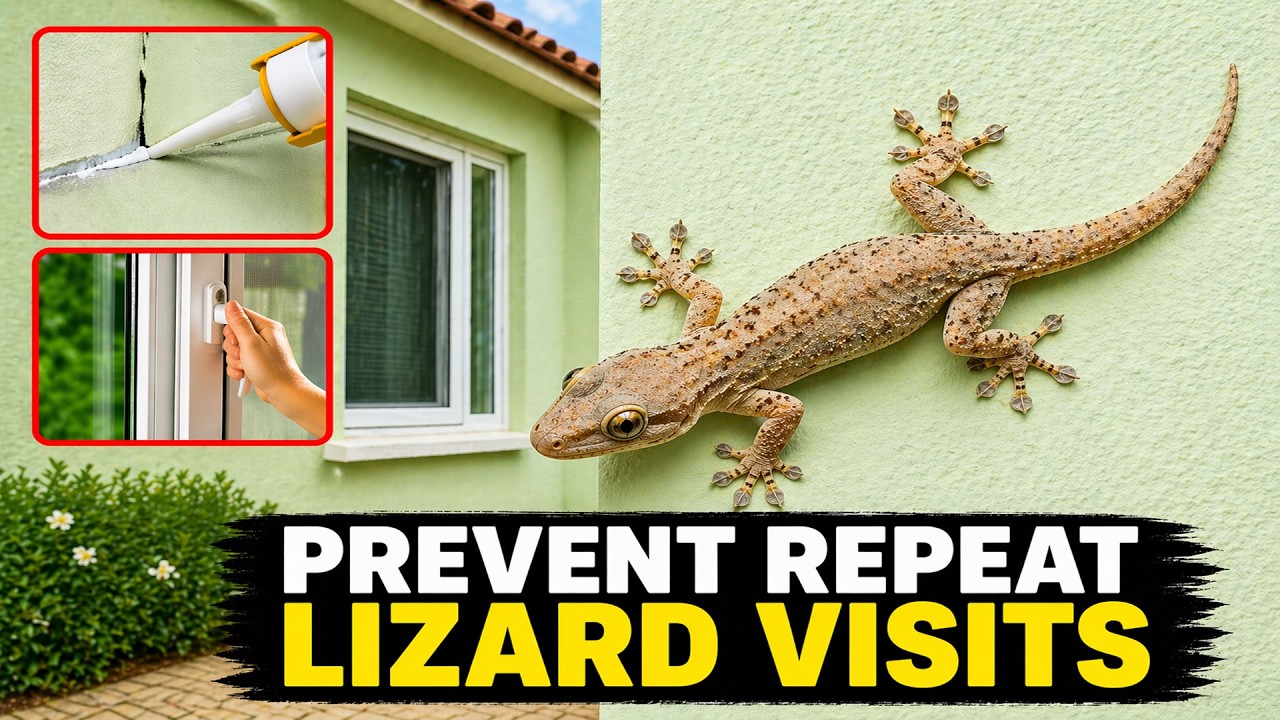
Why Lizards Keep Coming Back to Your Home and Garden
Lizards frequently return to your home and garden because these environments provide optimal conditions for their survival. They thrive in areas where temperature, humidity, and shelter align with their physiological needs.
Your garden offers ample hiding spots like rocks, shrubs, and mulch, which protect them from predators and harsh weather. Additionally, your home’s structural crevices create safe retreats.
Lizards are ectothermic igreenasia, so they seek warm surfaces to regulate their body temperature, often sunbathing on walls or pavements. Their presence indicates a stable microhabitat that supports their basic life functions, including feeding and breeding.
Understanding these conditions empowers you to manage your space effectively, balancing your desire for freedom with informed strategies to reduce lizard visits without disrupting the ecosystem they inhabit.
Common Attractants That Draw Lizards Indoors and Outdoors
Certain environmental factors and resources consistently attract lizards both indoors and outdoors. You’ll find that lizards gravitate toward warm, humid areas where insects abound, as these provide essential heat regulation and abundant food sources.
Outdoors, dense vegetation, woodpiles, and shaded garden corners create ideal microhabitats by offering shelter and moisture. Indoors, lizards are drawn to damp basements, kitchens, and spaces near windows where insects gather. Additionally, bright artificial lights attract insects at night, indirectly luring lizards seeking easy prey.
Lizards also favor environments with crevices, cracks, or clutter that serve as hiding spots from predators. Understanding these attractants helps you recognize why lizards keep returning and sets the stage for effective, targeted prevention without compromising your desire for a natural, open living space.
How to Remove Food and Shelter That Attract Lizards
Eliminate accessible food sources and remove potential shelters to significantly reduce lizard presence around your home. Lizards primarily feed on insects, so controlling insect populations is crucial. Keep food sealed in airtight containers and promptly clean up crumbs and spills to avoid attracting prey. Remove standing water to limit insect breeding grounds.
Declutter areas like woodpiles, dense vegetation, and stacked materials where lizards hide or nest. Trim shrubs and grass to reduce cover and expose hiding spots. Seal cracks and crevices in walls, doors, and windows to block entry points.
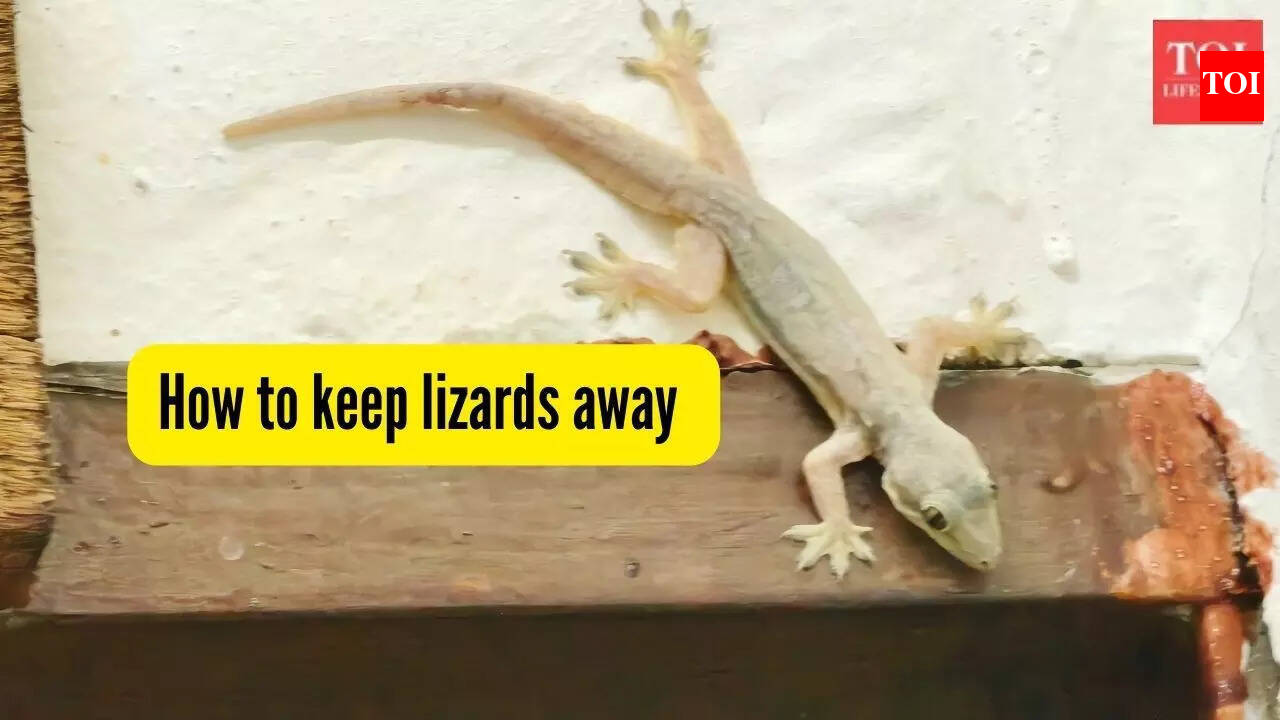
Easy Home and Garden Changes to Repel Lizards
After removing food sources and shelters that attract lizards, you can enhance your efforts by making specific adjustments to your home and garden environment. Lizards rely on favorable microhabitats, so altering these can reduce their presence.
Focus on:
- Minimizing moisture: Fix leaks and improve drainage to discourage lizards, which prefer humid conditions.
- Trimming vegetation: Keep plants and shrubs well-pruned to reduce hiding spots around your home.
- Sealing entry points: Close cracks and gaps in walls, doors, and windows to block lizard access indoors.
These changes disrupt the environmental cues lizards use to find shelter and food, effectively making your space less inviting.
Top DIY and Store-Bought Solutions to Repel Lizards
When it comes to keeping lizards at bay, you can turn to a variety of DIY methods and commercially available repellents that target their sensory and behavioral traits.
DIY options like garlic or onion sprays emit strong odors lizards dislike, disrupting their scent receptors. Peppermint oil applied around entry points acts as a natural irritant to their olfactory senses.
Store-bought repellents often contain naphthalene or sulfur compounds, creating an environment lizards find inhospitable. Ultrasonic devices emit high-frequency sounds that interfere with their communication and navigation.
When using these solutions, apply them consistently and in areas lizards frequent, such as windowsills and garden corners.
Combining multiple approaches enhances effectiveness, giving you control over your space without relying on harmful chemicals or traps, ultimately granting you the freedom to enjoy a lizard-free environment.
Conclusion
Lizards keep returning because your home and garden offer ideal warmth, humidity, and abundant insects for feeding and breeding. To stop them, you need to reduce moisture, eliminate insect prey, declutter hiding spots, and seal entry points around doors and windows. Consistently using natural or commercial repellents further discourages their presence. By making these targeted changes, you’ll effectively disrupt the conditions lizards rely on, keeping your living spaces lizard-free for good.

Massage Reflexology
What to Expect When Joining a Dog Grooming Class as a Beginner
Smart Tech For Your Home
About Author
