
Dog Daycare: How It Helps With Socialization and Behavior
Discover how dog daycare can positively impact your furry friend’s socialization and behavior. Through structured interactions and supervised play dog hotel, dogs can enhance their social skills and behavior in a safe and stimulating environment.
Learn how the power of socialization at daycare can lead to happier, well-adjusted dogs with improved behavior.
Join us as we explore the benefits of dog daycare in fostering positive relationships and behaviors in your canine companion.
Benefits of Dog Daycare Socialization
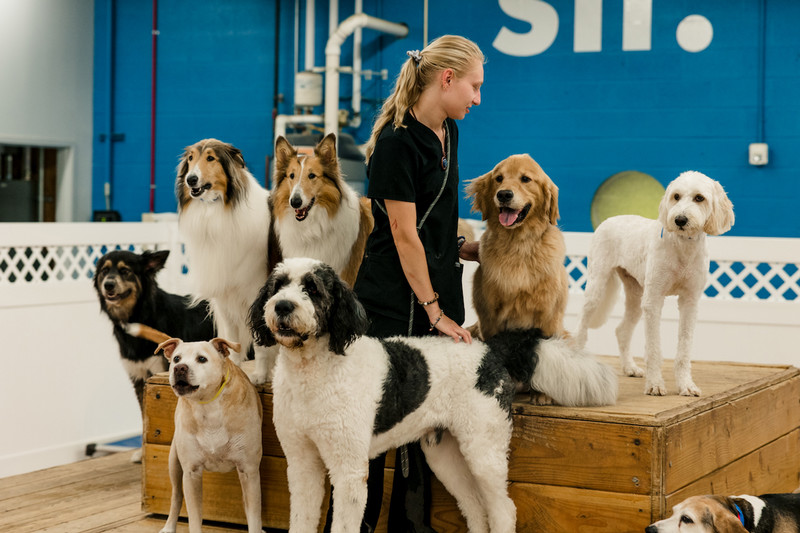
Exploring the benefits of dog daycare socialization enhances canine interaction skills and overall behavioral development. Obedience training is a crucial component of dog daycare programs, where professional trainers work with dogs to reinforce good behavior and manners Starlux Pet Universe. This structured training helps dogs learn commands, improve listening skills, and become more responsive to their owners.
Additionally, playtime enrichment is a key aspect of dog daycare socialization. Dogs are given the opportunity to engage in supervised play sessions with other dogs, promoting socialization and positive behavior. Through interactive play, dogs learn valuable skills such as sharing, communication, and problem-solving. These experiences in a controlled environment contribute to a well-rounded and socially adept pet.
Positive Effects on Canine Behavior
The structured activities and social interactions provided in dog daycare settings have been shown to have positive effects on canine behavior, enhancing obedience and social skills in dogs.
Canine communication is a crucial aspect of a dog’s behavior, and daycare environments offer ample opportunities for dogs to interact with each other, improving their ability to understand and respond to different forms of communication.
Through playful interactions with other dogs and supervised activities, dogs learn valuable social cues and manners that contribute to their overall behavior. These positive experiences help in reducing instances of aggression or fear-based behaviors, fostering a more balanced and well-adjusted temperament in dogs.
Additionally, the exposure to various stimuli in a controlled daycare setting can aid in desensitizing dogs to new environments and situations, further enhancing their adaptability and confidence.
Importance of Interaction in Daycare
Engaging in regular interactions with other dogs and supervised activities in a daycare setting is essential for fostering positive social development in canines. Interactive play sessions provide dogs with the opportunity to learn appropriate social cues, communication skills, and how to regulate their behavior around others. These interactions help in building confidence, reducing anxiety, and preventing behavioral issues that may arise from isolation or lack of socialization.
In a daycare environment, dogs engage in structured activities that promote social bonding and teamwork. Through group play and supervised interactions, dogs learn to navigate social hierarchies, respect boundaries, and build friendships with other dogs. These positive social experiences contribute to a well-rounded and socially adept canine companion.
Furthermore, regular interaction in daycare settings stimulates mental and physical activity, preventing boredom and promoting overall well-being. It also offers a safe and controlled environment for dogs to learn, explore, and engage with others, ultimately enhancing their social skills and behavior in various situations.
Behavior Improvement Through Social Play
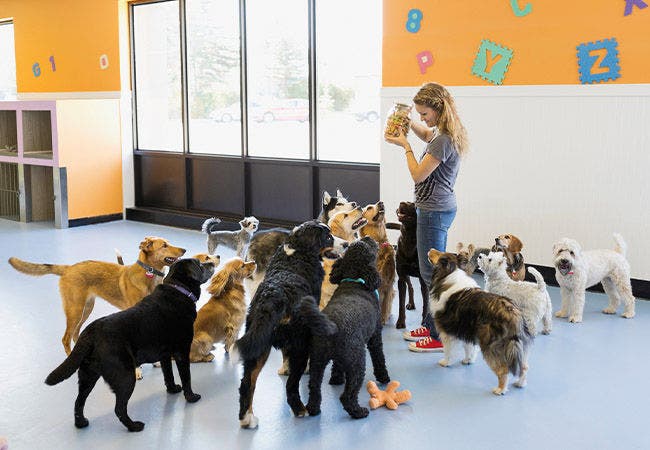
In a daycare environment, dogs benefit from structured social play sessions that promote behavioral improvement through positive interactions with other canines. Behavior modification techniques, such as play therapy, are integral components of these sessions. Social play not only provides physical exercise but also aids in behavior training by encouraging appropriate social behaviors among dogs. Through supervised interactions, dogs learn valuable lessons in communication, boundaries, and impulse control.
Behavior modification strategies implemented during social play sessions help address issues like aggression, fear, or excessive shyness in dogs. By engaging in playful activities with carefully selected playmates, dogs can learn how to navigate social situations effectively. Positive reinforcement techniques, such as rewarding good behavior during play, further reinforce desired behaviors and discourage negative ones. Additionally, the presence of experienced staff ensures that play remains safe and constructive, facilitating the behavioral development of all participating dogs.
Socialization Skills Development in Dogs
During socialization skills development in dogs at daycare, structured interactions continue to play a crucial role in shaping appropriate behaviors and fostering positive social skills. Canine communication is a key aspect of this development, as dogs learn to interpret and respond to various signals from their peers and humans. Through playful interactions, such as supervised play sessions and group activities, dogs can learn how to engage with others in a friendly and non-threatening manner. These interactions help dogs understand social cues, establish boundaries, and develop important skills for navigating different social situations.
At daycare, dogs have the opportunity to interact with a diverse group of canine companions, which can help them learn how to communicate effectively with dogs of varying sizes, breeds, and temperaments. This exposure can lead to increased confidence, reduced anxiety, and improved overall social skills. By engaging in positive and structured socialization experiences, dogs can become more well-rounded and socially adept pets, capable of forming healthy relationships with both humans and other animals.
Conclusion
In conclusion, dog daycare plays a crucial role in enhancing socialization skills and improving behavior in canines.
The positive effects of interaction in daycare settings help dogs develop important social skills through play and regular interaction with other dogs.
By providing a structured environment for socialization, dog daycare facilities contribute significantly to the overall well-being and behavior of these animals.

About Author
